By: Shiri Pasternak and Eve Saint
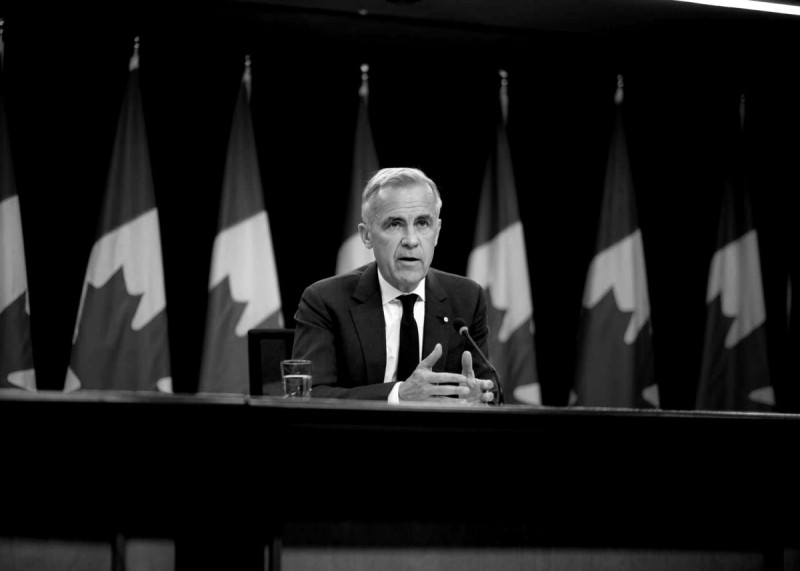
It has been one year since Prime Minister Mark Carney introduced the Building Canada Act into the federal Parliament. Since then a raft of new laws have initiated a wave of carve-outs to our legal protections for the environment, Indigenous rights, migration, and labour rights.
The Building Canada Act itself provides a fast-track system for infrastructure that authorizes Ministers to override existing law protecting the environment and Indigenous rights of consultation. Carney stated recently that he has no plans on making climate targets because they are “a threat to national unity.”
A total of 19 government bills received royal assent in the spring sitting and two other key pieces were passed by the House of Commons that will be dealt with by the Senate this fall.
Among these, carve-outs have been made for harmful pesticides that Cabinet can approve even when Health Canada has deemed them too dangerous. The Clean Water Act carves out the human right to water included in earlier versions of the legislation, downgrading the First Nation water crisis to a “progressive realization.”
Federal Economic Zones
The Lawful Access Act reintroduces the most controversial parts of the Strong Borders Act, proposing new surveillance authorizations and interlocked enforcement and data sharing systems with the United States. The Combatting Hate Act was opposed by over 40 civil society organizations due to serious concerns it raises about citizens’ constitutional rights and liberties.
The Strong Borders Act has carved-out broad new powers to the immigration minister to cancel immigration documents based on an undefined “public interest.” A carve-out the size of Alberta is taking place through two-tier healthcare options rolling out this fall in contravention of the Canada Health Act, yet Carney has failed to intervene to enforce the law. Other federal cuts to health in the billions are also expected soon.
Austerity is everywhere, with a $5 billion cut to public transit coming and massive cuts to the public sector. If these were the policies of Conservative Leader Pierre Poilievre, liberal Canadians would be losing their minds at the creeping concentration of power on Parliament Hill.
The Hidden Costs
Canadians are lulled by the hope that Carney’s plan will save the battered economy. Carney boasts about “20 new economic and security partnerships” that are “secured across five continents.” It’s an impressive and ambitious plan, but what is he actually selling?
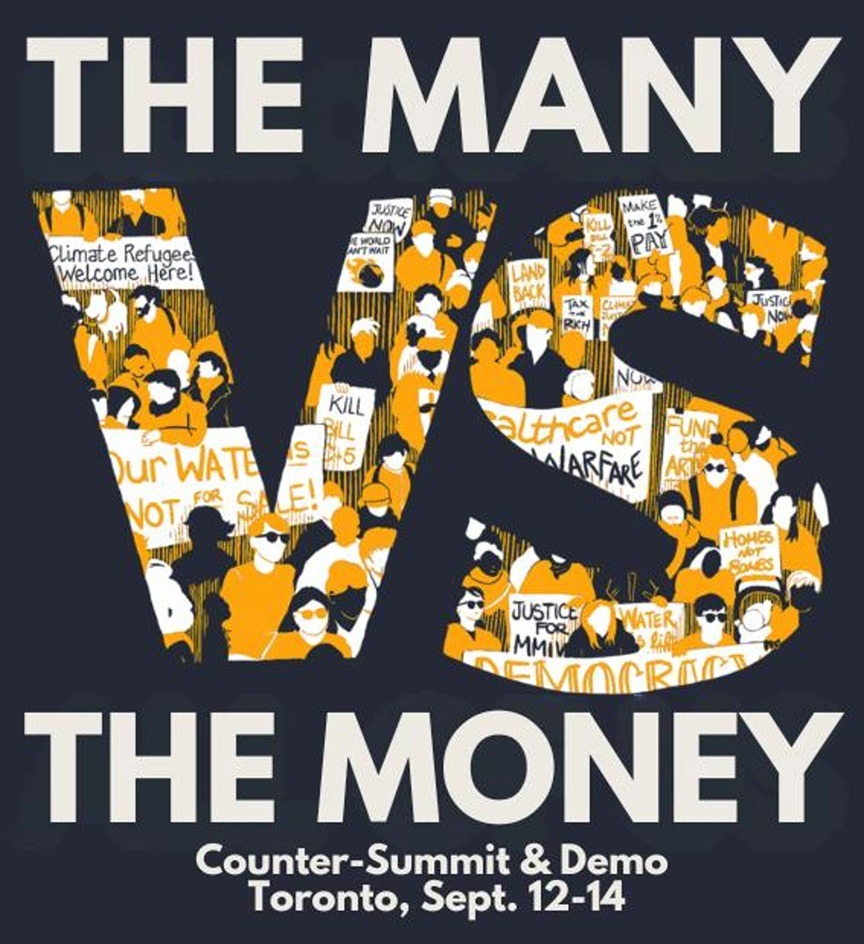
The trade deals will come home in September, when Carney is hosting an auction at his Investment Summit in Toronto. Housing and public infrastructure is on the menu, so are AI data centres, defence, and critical minerals.
Carney has also announced his wants Canada to be the world’s supplier of Liquefied Natural Gas (LNG) by 2030.
But very little of this foreign investment will trickle down to fix the affordability crisis. Income inequality is at an all-time high in Canada and gutting the public service, while diverting half a trillion to defence spending, will only increase the pain of household debt, while enriching global shoppers.
It is also deeply destructive. LNG Canada Phase 1 in Kitimat B.C. is experiencing a flare stack malfunction that has been burning 160,000 more cubic meters of waste gas in 2025 than originally proposed, leaving black film residue on vehicles, loud noise pollution, and visual disturbances. Climate groups and Indigenous communities have raised the alarm and demand the consortium address the issue before this burning doubles with the Canada-BC MOU green-lighting public money for LNG Phase 2.
These are Faustian bargains for First Nations and workers with no other signs of investment on the horizon. This is a zombie economy, for the walking dead, not an ambitious vision for Canada.
A New Framework for Reconciliation
Contrary to these false flags of nationalism and economic sovereignty, there are models for economic resilience that could transform the lives of Canadians. The care economy, focused on education, healthcare, public service, reframes the traditional metric of growth and focuses instead on an outcome-based model, e.g. lower long-term healthcare costs through better elder care, migrant regularization paths, or higher lifetime earnings through universal childcare.
Reindustrialization policies could introduce circular manufacturing, electrified rail, and clean tech production, focused on the development of First Nation employment and unionized jobs.
Climate resilient energy policy could establish new Crown corporations to address the climate emergency and study the impacts of redirecting billions currently spent on fossil fuel subsidies into “de-risking guarantees” for community-owned energy (geothermal, solar, and wind).
Trump may seem like a bogeyman, but Canadians are also under attack from within.
Shiri Pasternak and Eve Saint are the co-founders of 8th Fire Rising, an Indigenous-led coalition of workers, climate justice organizations, and Indigenous activists formed in response to Bill C-5.