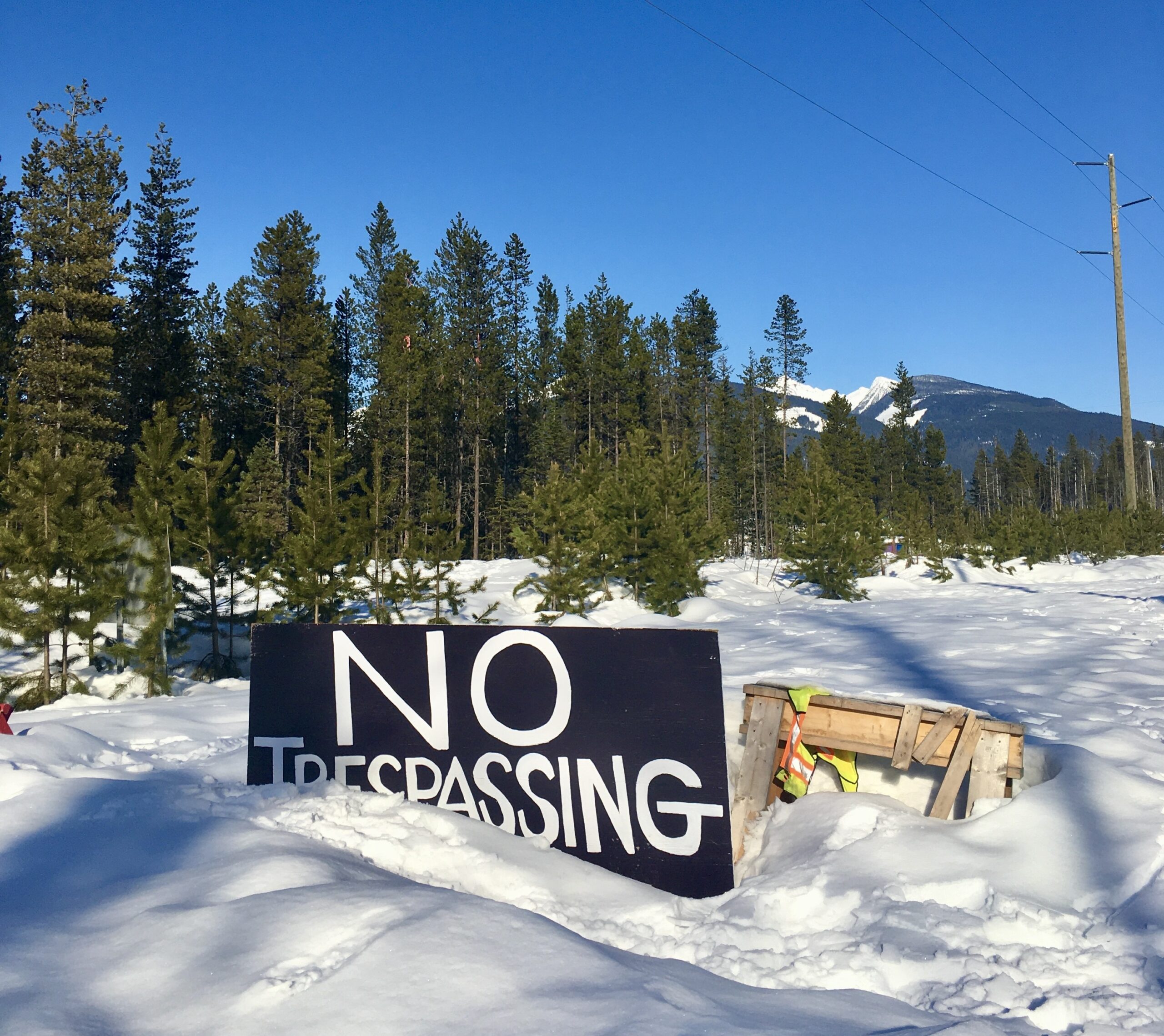
Indigenous nations across the country are promising blockades and direct action on the land in response to the legislative bullying and consolidations of power at the heart of Bill C-5, Bill 5 in Ontario, and Bills 14 and 15 in BC.
The federal and provincial governments are trying to buy their way out of this problem.
Ontario announced a $70M contribution to the Indigenous Participation Fund for First Nations to have more “input” in regulatory processes. What regulatory processes? These have all but been removed by Bill 5. Spending on consultation processes usually amounts to just greasing the wheels for development anyway.
And then there is the promise of “equity participation,” where First Nations, they say, will become “equal partners” in the rush of development that is said to be coming.
In Ontario, this means a tripling of the Indigenous Opportunities Fund, which provides loan guarantees to First Nations seeking to access financing to become proponents of resource extraction or infrastructure projects. The federal Indigenous Loan Guarantee Program is similar and has also been expanded to these same ends, doubling to $10B.
These programs provide access to capital at guaranteed rates, with loans backed by the government. They are good programs to assist First Nations that seek to become owners or part-owners of projects in their territories.
But not really.
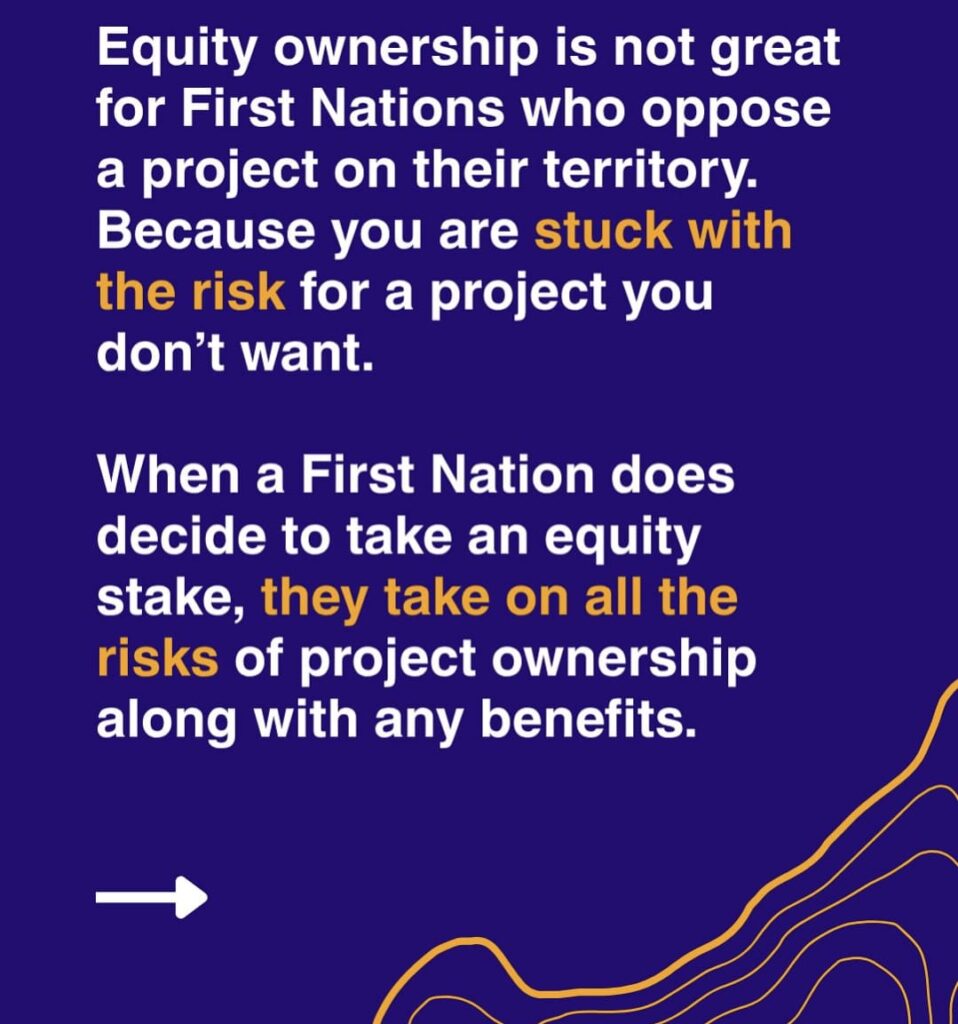
They are not good solutions for First Nations who oppose a project on their territory—as the insult of overriding your jurisdiction and getting stuck with a project against your will, doesn’t usually make a First Nation want to become an owner of that project.
When a First Nation does decide to take an equity stake, they take on all the risks of project ownership along with any benefits.
And there are significant risks associated with becoming an owner of a venture hastily designated as a “national interest” project without serious scrutiny. Careful feasibility studies and comprehensive environmental assessments will not be completed as usual. The “business case” for projects seems to be taking a back seat to political saleability.
In the critical minerals space, these risks include the First Nations taking on significant debt to back projects that are subject to notoriously volatile commodity markets, driven by rapid technological change in the development of battery chemistries. A First Nation may invest in a nickel mine for electric vehicle (EV) battery production, for example, only to discover years later that changing inputs (e.g., tied to the widespread adoption of sodium-ion batteries) and increased recycling have reduced the demand for nickel in EVs.
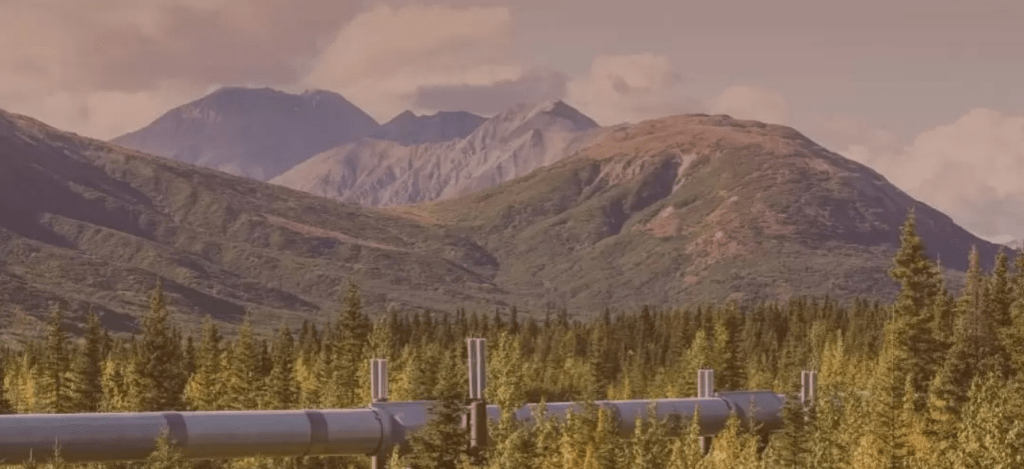
In the fossil fuel and pipelines space, First Nations need to contend with the fact that—while politicians today seem to have forgotten about it—climate change is not going away. The long-term prospects for these projects are that they will inevitably be phased out, whether sooner or later. Being an equity owner means that a First Nation will have taken out a significant loan to acquire a project it assumes is an asset only to discover down the road it has become a significant liability.